Kula Applied Research Institute
An Austin, Texas based 501(c)(3) public charity. We do qualitative systems research: gathering stories from the people and land of a bioregion until scattered regenerative practice becomes visible to itself, and can be organized, adapted, and funded.
Derived from Sanskrit, Kula loosely refers to "part of a village" and conveys a deep sense of belonging and trust. The institute exists to make that possible somewhere specific, not to be a brand of its own.
We use storytelling to build belonging and trust, and let the patterns that emerge guide the shape of bioregional regeneration. Kula Applied Research Institute exists to notice what's already working, and help it be recognized, shared, and grown.
Gather
We record what people and land already know. Qualitative fieldwork, one story at a time.
Recognize
Read together, scattered activity becomes legible as a single community. That recognition is what lets a place organize itself: into a bioregional club, a working group, a network that can now act at watershed scale instead of one property at a time.
Translate
Across a growing archive, practices repeat. Synthesized into patterns and case studies, a practice proven in one place becomes adaptable in another.
Fund
Kula carries the legal and financial backbone, so the people on the ground can keep their attention on what matters most: the work of bioregional regeneration. We are building toward directing real money into the regeneration this research surfaces, with those closest to the ground recommending where it goes.
Balcones Tejas Bioregional Club
Bioregional education, community organizing, and a growing archive of stories from the Texas Hill Country. A project of Kula Applied Research Institute, and our clearest case study in how scattered activity becomes a cohesive community.
balconestejas.com →Library of publications
Everything Kula has published, free to read. If they are useful to you, please consider a tax-deductible contribution toward the next one.
The Kula Pattern Language is our working database of patterns: recurring situations, the forces in them, and the solutions that have held.
7 of 7 publications
| Publication | Type · Place | Year | Link |
|---|---|---|---|
|
Bioregional Club Theory and Practice
How a decentralized network of neighbors learns to belong to a place. The Design, Structure, and Ethos of the Balcones Tejas Bioregional Club.
|
Whitepaper
Austin
|
2026 | View → |
|
Storyweaving as a Living Practice
Leah Bury on storyweaving as a cycle for the Balcones Tejas Bioregional Club: meet a person through a place, pay attention together, and bring the experience back into a room.
|
Process documentation
Austin
|
2026 | View → |
|
The Camera is Ours!
Four years of storytelling in urban settlements, photographed by residents rather than about them.
|
Publication
Dhaka
|
2026 | View → |
|
Neighborhoods by Us
Working with residents to design and develop their own neighborhoods.
|
Toolkit
Dhaka
|
2025 | View → |
|
Hosting Community Conversations
For anyone open to facilitating the kind of conversation a place needs.
|
Toolkit
Erie–Niagara
|
2025 | View → |
|
Blue Zone Principles
Agricultural neighborhoods designing for healthier, longer, more connected living.
|
Toolkit
Austin
|
2025 | View → |
|
Community Storytelling
A hands-on guide for communities telling their own narratives through participatory art.
|
Toolkit
Dhaka
|
2024 | View → |
Direction
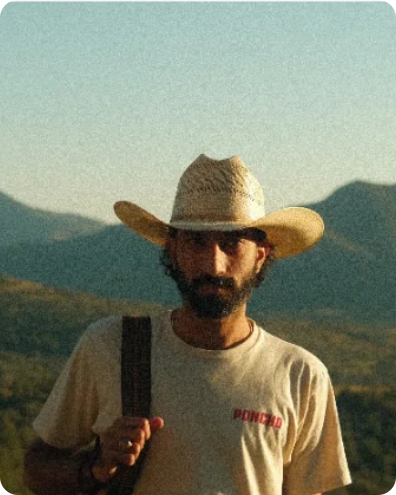
Kiran Topiwala
A visual anthropologist and bioregional engineer. Deeply inspired by patterns of regeneration, he tinkers at the intersections of self and story, memory and myth, and individual and ecology.
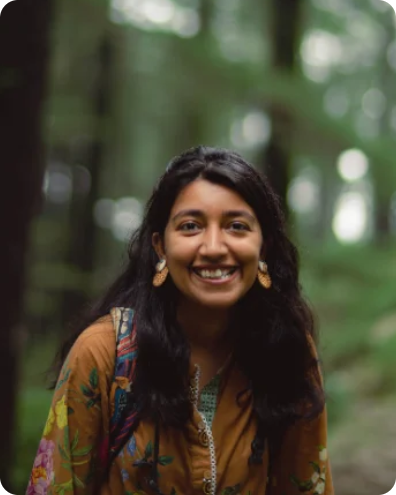
Lamia Anwar Shama
A collector and weaver of bioregional stories. An incredible navigator of uncharted waters, keeping one eye on the land of today and the other on the horizon of tomorrow.
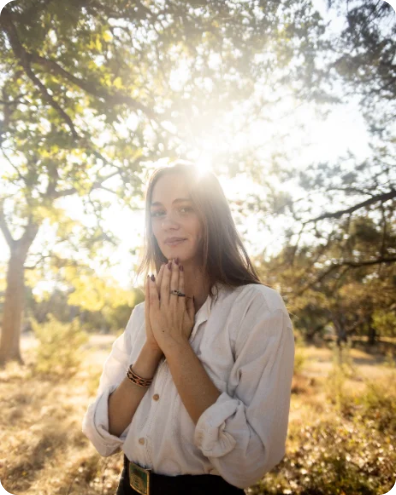
Zane Porterfield
An educator, advocate, and naturalist with a career in groundwater and spring protection. Her work enmeshes intuition, systems thinking, research and strategy, with a deep taproot in the Texas Hill Country.
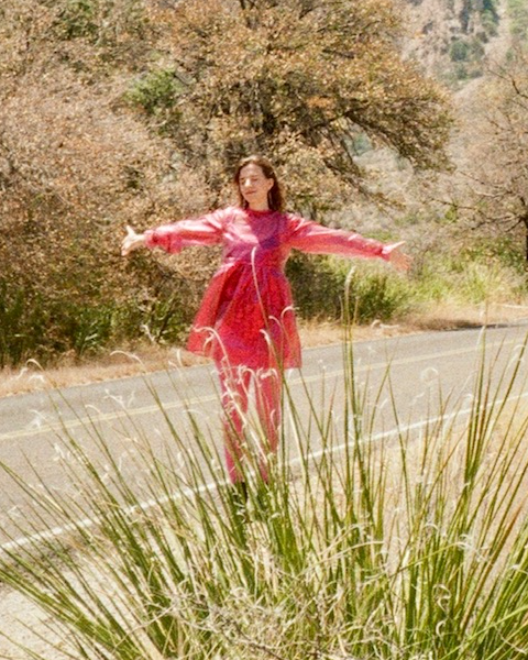
Leah Bury
A multipassionate creative, communications professional, community facilitator, and student of life. Rooted in ongoing studies of ecopsychology and regenerative economics, she weaves stories, gatherings, and relationships at the intersections of art, ecology, and shared prosperity.
Board
Randy Martin (Chairman) · Rohit Topiwala (Treasurer) · M Beth Martin · Don Locke · Anna Castonguay
Advisors
Subham Chaudari · Caroline Dunn · Marc Pierson · Annie Spade · Tex Jude G. Albert · Pliny Fisk III (in memoriam)
Funders and inquiries
Contributions to Kula Applied Research Institute are tax-deductible. For questions, partnership, or anything else, write to us directly.